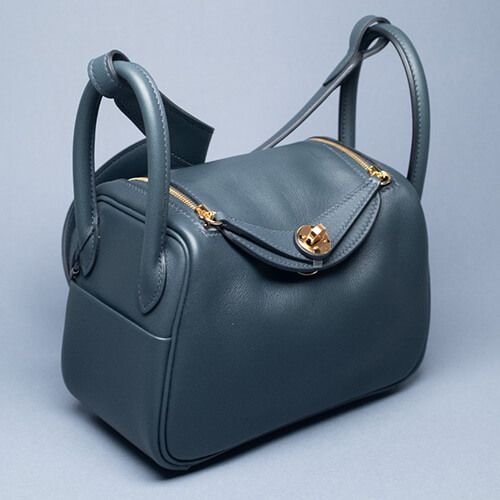
My Journey as an Authenticator for Hermès Bags
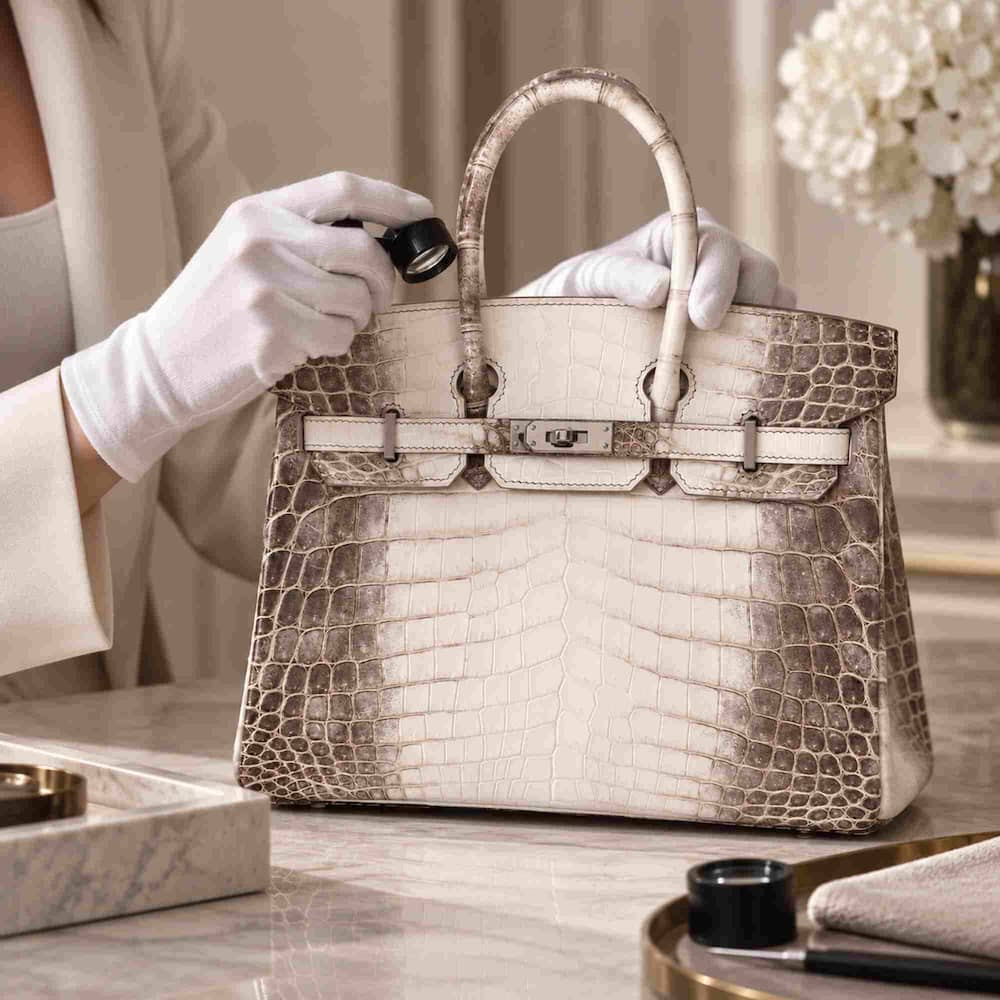
My journey as an authenticator for Hermès bags started very naturally. I never set out thinking that one day I would become an authenticator. It began with my own love for handbags. Growing up, my mother was a handbag collector, so I was exposed to many different bags from a young age, different brands, hardware, stitching styles, leathers and materials. Handbags were something I was already very familiar with. Later, my job required extensive international travel for meetings and conferences. During those travels, I would visit Hermès stores and buy scarves, ties and, of course, bags. That was when my fascination with Hermès really grew.
Decades of Collecting & Studying Hermès Craftsmanship
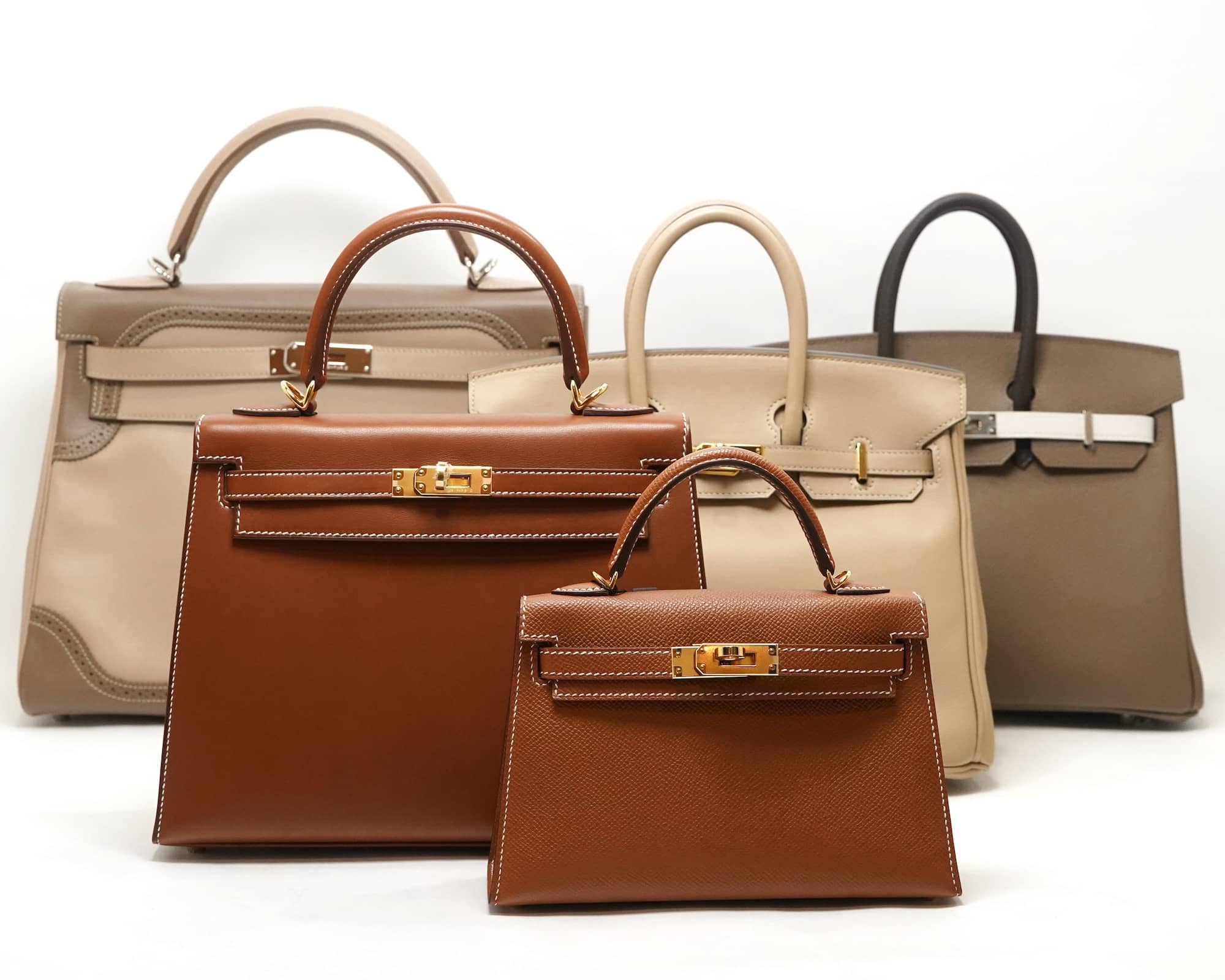
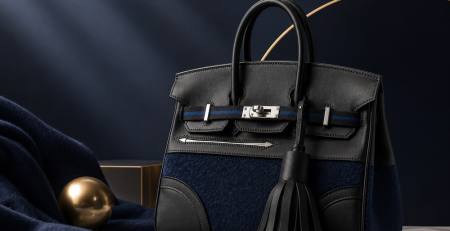
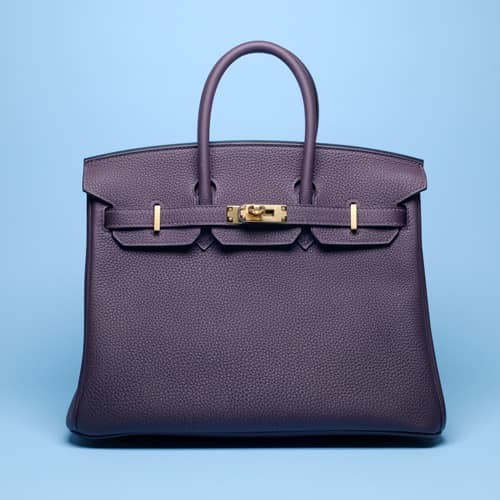
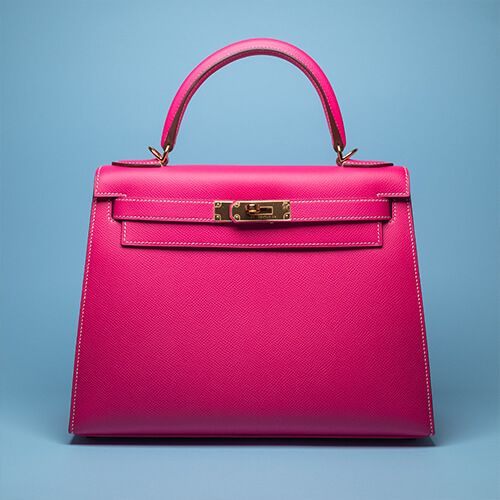
I became fascinated by how beautifully Hermès bags were made and fell in love with the craftsmanship. I started paying very close attention to how a bag was stitched, the hardware, the leather and how the different parts were put together. I found myself naturally interested in the smallest details. At the same time, I developed a real love for vintage Hermès. Over the years and during my travels, I began collecting more Hermès bags, particularly Birkins and Kellys, from different eras. Many of the pieces I handled dated from the 1970s, 1980s and 1990s, while some rarer models came from even earlier periods. As my collection grew, so did my curiosity about what made each piece distinctive.
Rare Hermès Leathers & Exceptional Craftsmanship
My collection exposed me to an amazing range of Hermès leathers and materials. There were beautiful heritage leathers such as Barenia and Box Calf, as well as those that are far less frequently seen in the market today such as Buffalo, Dalmatian, Vache Liégée, Graind’H, Sikkim, Amazonia rubber, Crinoline, Wicker and Vibrato among others. Handling so many different materials taught me how differently each one behaves. Some are much more difficult to work with than others, and when you see an exceptionally well-made bag in a challenging material, you really begin to appreciate the skill of the master craftsman behind it. I have been fortunate to come across some extraordinary pieces over the years. Even after handling so many Hermès pieces, some still stop me in my tracks. Sometimes the craftsmanship is so remarkable that I genuinely get goosebumps just holding the bag and marvelling at how it was made.
Experience Authenticating Exotic & High-Value Hermès Pieces
Over the years, my experience has also extended to many of Hermès’ exotic pieces, including Porosus crocodile, alligator, lizard and ostrich, as well as exceptional Himalaya and diamond-set pieces. I have had the opportunity to examine and authenticate these pieces firsthand. With bags at this level, the materials, craftsmanship and individual details require particularly careful examination and an understanding of what you should expect from Hermès. Some of these pieces are extraordinarily rare and valuable, and having the opportunity to handle and study them has added another important dimension to my experience as an authenticator.
From Collector to Professionally Trained Hermès Authenticator
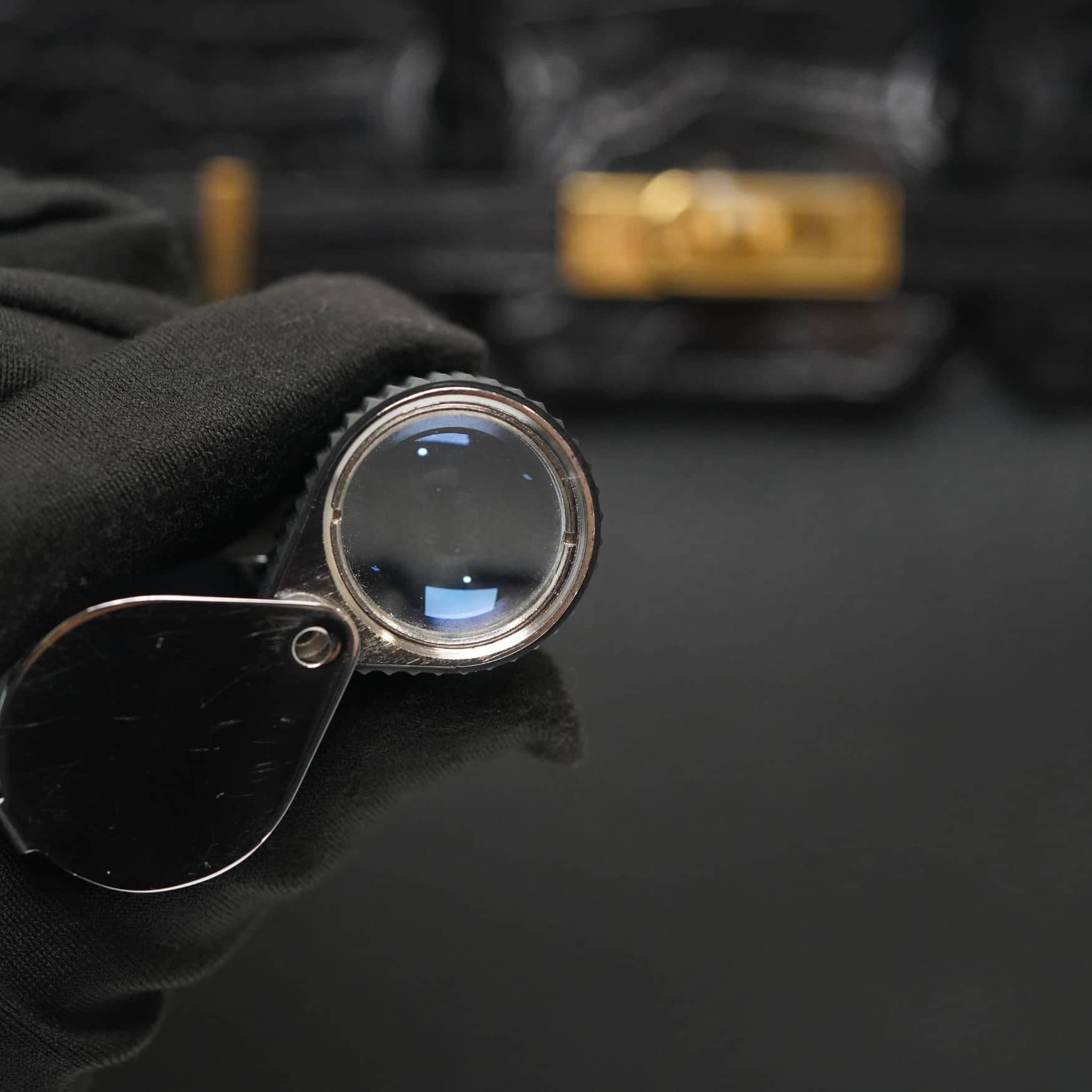
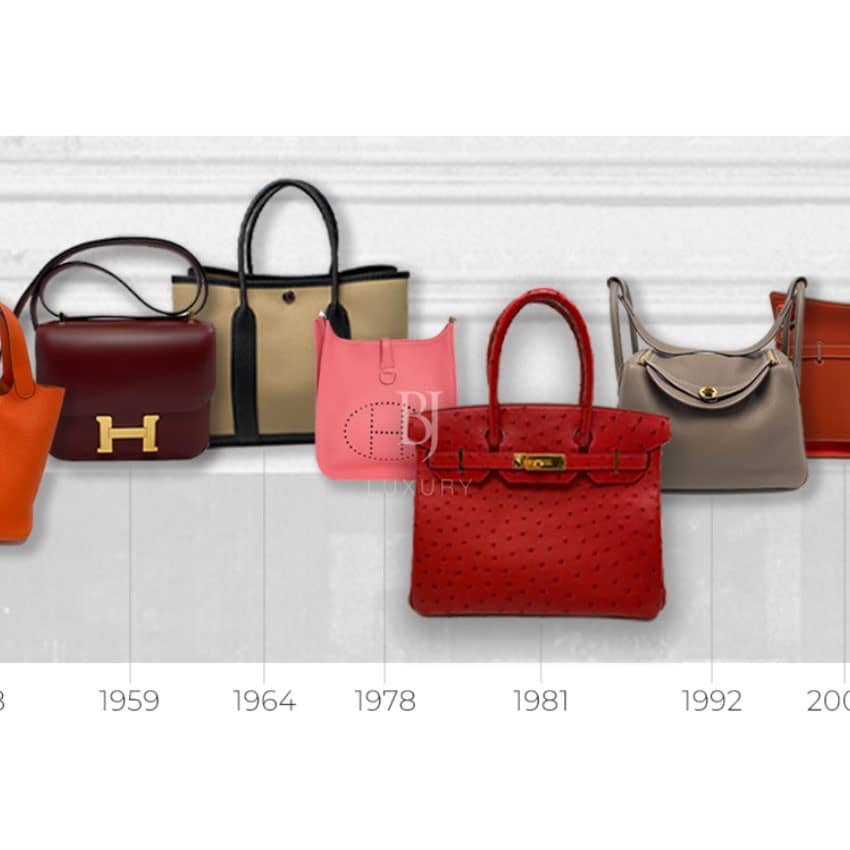
The more pieces I handled, the more I realised that Hermès bags were not exactly the same throughout the years. There were differences in hardware, stitching, stamps, materials and construction. I began comparing pieces from different periods and seeing how Hermès had changed and refined certain details over time. Without actually planning it, I was learning. As I handled more genuine Hermès bags, I became increasingly familiar with what I was seeing. When I eventually began buying from the open market, I found that I could recognise when something did not look right. But I also knew that having a good eye was not enough. I didn’t want my knowledge to be based simply on look, feel and touch. I wanted proper technical knowledge behind what I was seeing. So I sought specialist training and learnt from experts. Early on, I had one-to-one training with specialists who are now based in the United States and Japan. That gave me the technical side of authentication. For me, authentication became much more technical. It wasn’t simply, “This looks right,” or, “This doesn’t feel right.” If something is off, why is it off? That is the important part.
Thousands of Hermès Bags Authenticated Over the Years
I began authenticating professionally around 2010–2012. What started with my own collection grew from examining tens of bags to hundreds, and eventually thousands of pieces over the years. After seeing that many bags, your eyes become trained. Your hands become trained. You become familiar with the construction, materials and small details. When something is unusual, you notice it. But experience also teaches you something equally important: unusual does not automatically mean inauthentic. Hermès changes things over time. The position of a stamp can vary. Its thickness can vary. Hardware, materials and construction details evolve, and there can be variations between different periods and pieces. So you cannot simply say, “The logo is too thick, therefore the bag isn’t authentic,” or, “The blind stamp isn’t positioned exactly where I saw it in a photograph, so something must be wrong.” You have to understand the bag as a whole.
Why Hermès Authentication Takes More Than a Checklist
Sometimes I read articles online about how to authenticate an Hermès bag and realise that some of the information isn’t quite right. Someone may learn a few characteristics and then present them as fixed rules. But Hermès authentication is far more complex than that. If you try to authenticate your own bag by reading different online guides, you can become completely confused. You may end up believing an authentic bag is not authentic, or convince yourself that a bag is authentic because it has a few supposedly “correct” characteristics. That is why I don’t believe an Hermès bag can be authenticated from a simple checklist. There is too much variation and too much history behind these bags. Training is important, but so is experience, particularly the experience of handling a very large number of genuine Hermès pieces across different eras, leathers and constructions.
Experience, Expertise & the BJ Luxury Authenticity Guarantee
Today, after examining thousands of pieces, I am still learning. Hermès continues to evolve, and as an authenticator, you have to evolve with it. For me, authentication carries a great deal of responsibility. When someone chooses an Hermès bag, they are placing their trust not only in the bag, but also in the person and company standing behind it. At BJ Luxury, that is a responsibility we take very seriously. Hermès has always been at the core of what we do, and the knowledge built through years of examining these bags forms an important part of the authenticity guarantee we give our clients. And perhaps that is why, after all these years, Hermès bags still fascinates me. Every so often, a bag comes into my hands with such extraordinary craftsmanship, history or rarity that I find myself stopping simply to admire it. That feeling has never left me, and I hope it never does.
BJ Luxury’s Lead Hermès Authenticator